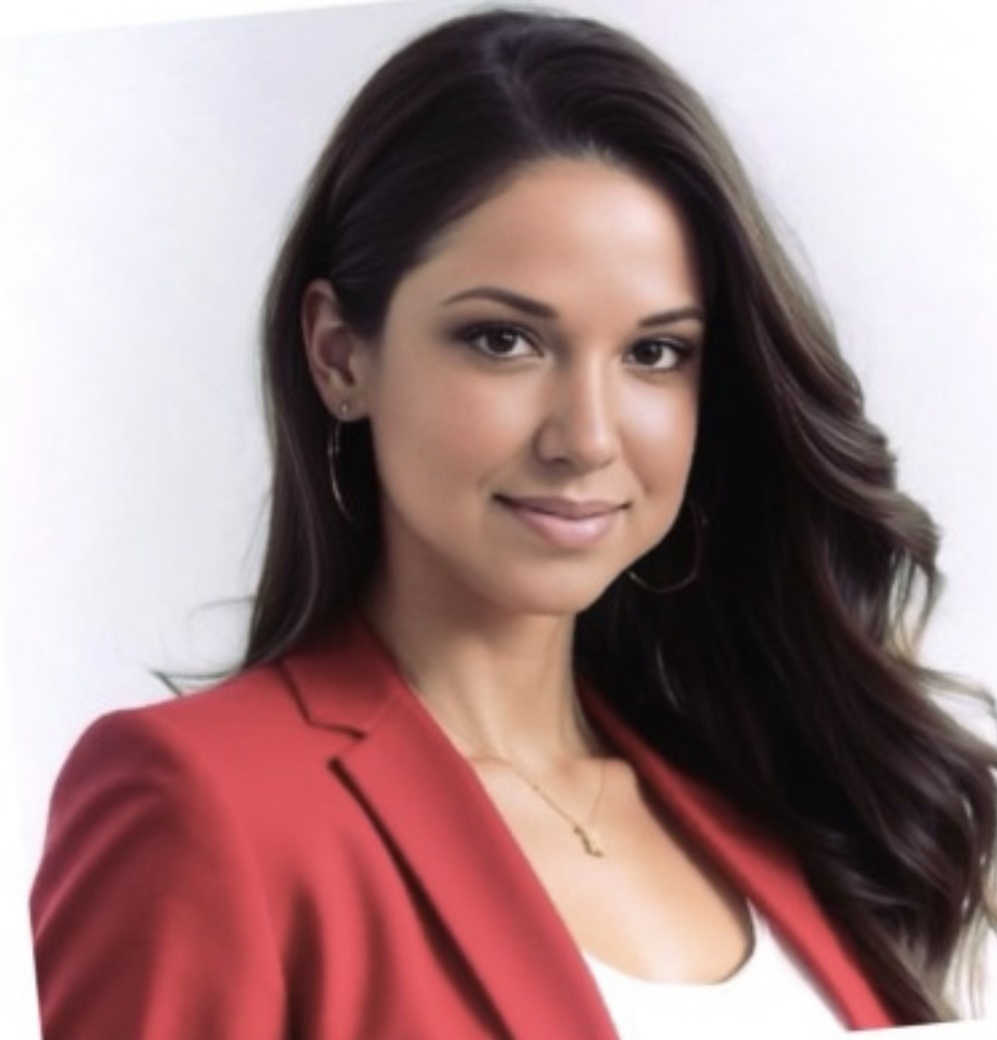
My identity as a Native American woman connects Indigenous nations and European family histories. My Wasco and Chinookan roots connect me to the Columbia and Willamette river regions, and my Wolastoqiyik ancestry connects me to the northeast. I also carry Polish, Scottish, and French ancestry. These connections shape how I understand community and approach different perspectives.
Returning to my Grand Ronde homeland in 2017 marked an important step in my cultural reconnection. I continue that journey through learning, listening, and responsibility to relatives and community. My multinational identity asks me to hold distinct histories together and build belonging through relationships.
My doctoral dissertation research on the school-to-prison pipeline and American Indian residential boarding schools deepened my attention to school design, relationships, and educational experiences. Teaching, education leadership, art programs, and community murals taught me to build trust and create meaningful opportunities for participation.
Education and animal welfare demand distinct ethical frameworks and evidence. I bring habits of observation, reflection, and accountability from my education work as I develop the scientific preparation to study animal behavior.
In academic and community partnerships, I aim to mentor learners, communicate research clearly, and invite different perspectives. In work with Indigenous communities, I follow community priorities, respect their authority, and honor their decisions about sharing knowledge.